Virtual Data Room FAQ Hub
Can Small Businesses Use a Virtual Data Room?
Can Small Businesses Use a Virtual Data Room?
Yes. Small businesses can use virtual data rooms, and company size is often less important than the sensitivity and complexity of the information being shared.
A growing company may not handle the same transaction volume as a large corporation, but it can still face situations where confidential documents need to be reviewed by investors, buyers, attorneys, accountants, lenders, or other outside parties. When that happens, ordinary email attachments or shared folders may no longer provide enough structure, visibility, or control.
Virtual data rooms can give small businesses a more organized environment for managing those processes.
When Does a Small Business Need a VDR?
One common use case is fundraising. As investors move beyond introductory discussions and begin due diligence, they may request financial statements, capitalization records, contracts, forecasts, intellectual property documentation, and other sensitive information.
A virtual data room allows the company to organize those materials in advance and provide access as the process develops.
Small businesses may also use VDRs when preparing for an acquisition or sale. Even a relatively small transaction can generate extensive financial, legal, commercial, and operational diligence. Preparing that information in a structured data room can make it easier to respond to buyer requests without creating unnecessary back-and-forth.
Other situations include strategic partnerships, licensing agreements, audits, financing, board matters, and legal reviews.
The question is therefore not whether the company is large enough to justify a VDR. It is whether the business process requires greater control over confidential information.
What Are the Benefits for Smaller Teams?
Smaller companies often operate with limited administrative resources, which makes process efficiency especially important.
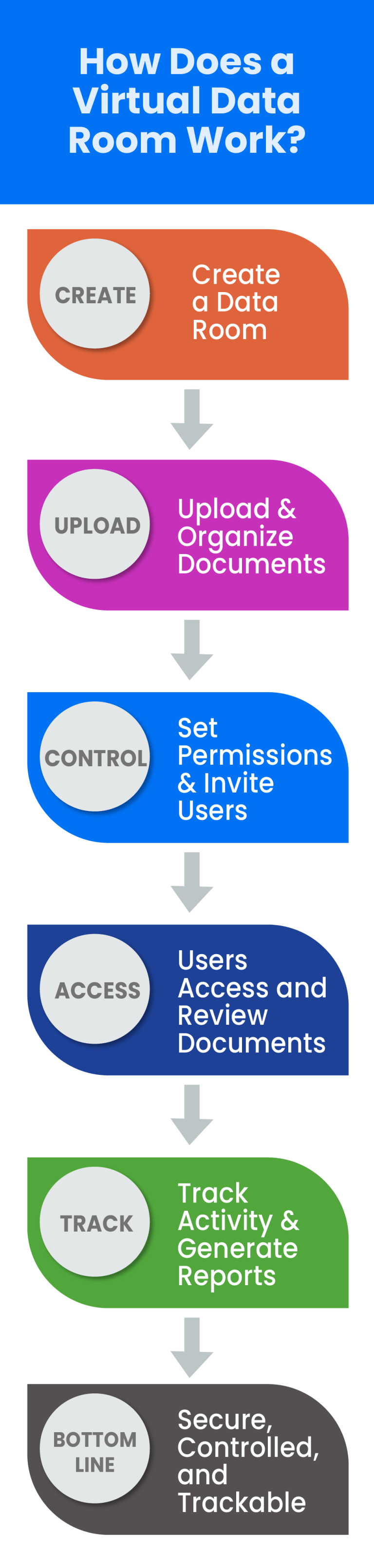
Instead of tracking different document versions across email threads or repeatedly creating new file-sharing links, teams can maintain information in one organized environment. Permissions can also be adjusted so investors, advisors, attorneys, or other participants only see the materials appropriate to their role.
Activity tracking and audit trails can provide additional visibility into how information is being accessed throughout the project.
Most importantly, preparing a data room early can reduce last-minute work. Small management teams are particularly vulnerable to becoming overwhelmed when diligence requests begin arriving while they are still running the day-to-day business.
A VDR does not need to be reserved for large transactions. It becomes useful whenever better organization, controlled access, and faster information flow can help a company run an important process more effectively.
For small businesses, that may happen during the first institutional funding round, a strategic partnership, an audit, or the eventual sale of the company.